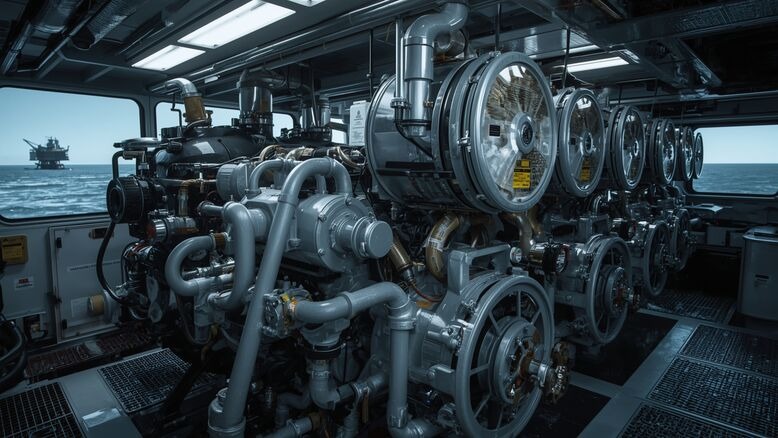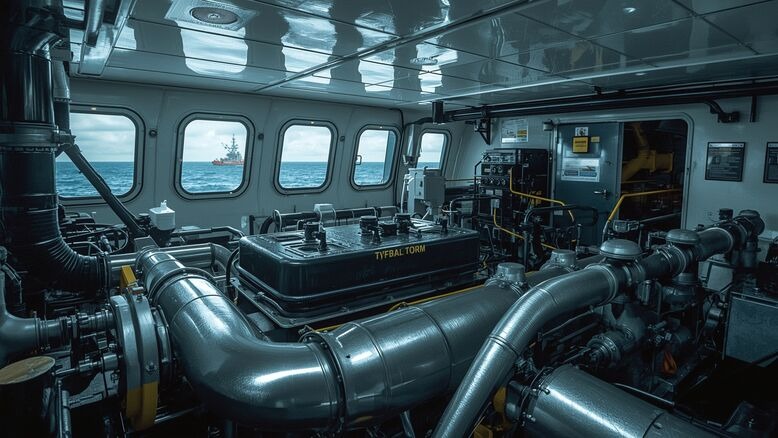
Introduction: Marine engines operate in some of the most extreme environments on Earth. Salt air, high humidity, and debris make effective filtration absolutely essential. Whether it's a cargo ship, offshore platform, or coastal vessel, using the right industrial filters can prevent catastrophic engine failure and maintain compliance with marine emissions standards.
Air, oil, fuel, and hydraulic filters all play critical roles in protecting marine engines. In this article, we cover the unique challenges of marine environments and how Bristol Filters® provides filtration solutions trusted in ports across UAE, Egypt, and Italy.
Why Marine Engines Need Specialized Filtration:
-
Exposure to salt-laden air accelerates corrosion
-
Humid environments increase fuel contamination risk
-
Continuous operation causes rapid oil degradation
-
Engine room heat increases pressure on filter systems
Types of Filters Used in Marine Engines:
-
Air Filters: Prevent airborne salt, dust, and debris from entering the intake system
-
Oil Filters: Keep engine oil clean to reduce wear and maintain lubrication
-
Fuel Water Separators: Remove water and impurities from diesel fuel
-
Hydraulic Filters: Ensure clean fluid in steering, stabilizing, and lifting systems
Benefits of Using Bristol Filters® on Marine Vessels:
-
Designed for high corrosion resistance
-
Available in stainless steel and marine-grade materials
-
Built to ISO and IMO standards
-
Trusted by shipyards and fleet operators in the Middle East, Africa, and Europe
Real-World Applications: Our filters are used in:
-
Commercial vessels (tankers, tugs, ferries)
-
Offshore platforms (rig support, pump systems)
-
Fishing boats and cargo ships
-
Desalination plants and port equipment
Conclusion: The sea may be unforgiving, but with the right marine-grade filters, your engines can thrive in the harshest waters. Bristol Filters® delivers reliable, high-performance filtration systems trusted across continents. Let us help you safeguard your maritime operations.