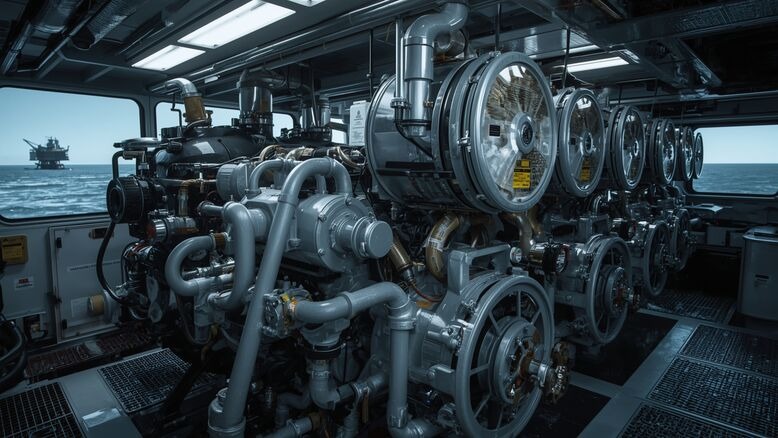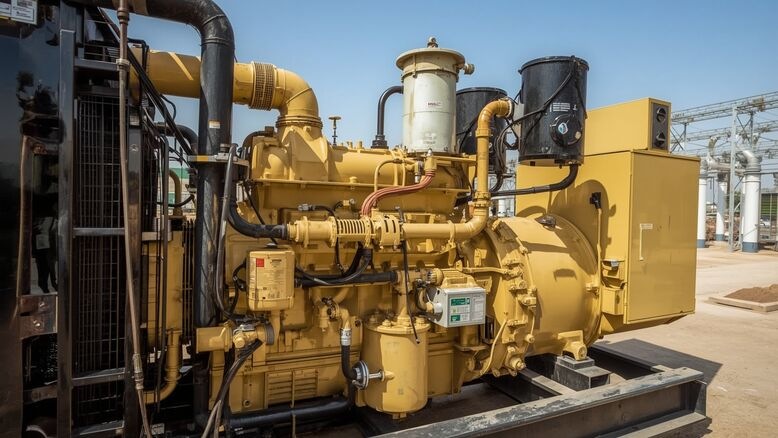
Introduction: In the world of industrial equipment, compressors and generators are workhorses that power essential operations across construction, marine, manufacturing, and agriculture. A critical component in ensuring their optimal performance is the air oil separator. This device removes oil from compressed air before it is sent downstream, preventing contamination, wear, and system inefficiencies.
Whether you’re managing diesel generators in UAE, air compressors in Egypt, or industrial systems in Iran, understanding the role of air oil separators can lead to increased efficiency, reduced maintenance, and longer equipment lifespan.
What Is an Air Oil Separator? An air oil separator is a filtration device used in oil-lubricated air compressors. It separates the oil from the compressed air stream so that only clean air is discharged. The separated oil is then recirculated through the compressor system.
Without a proper separator, oil mist can contaminate pneumatic equipment, clog valves, damage filters, and reduce the quality of end-product processes. In power generation units, such as diesel generators, oil-contaminated air can reduce energy output and damage engine parts.
Key Benefits of Air Oil Separators:
-
Improved Air Quality: Clean compressed air is essential for equipment that uses air for combustion or mechanical actuation. Air oil separators ensure that the air meets quality standards.
-
Energy Efficiency: By maintaining oil-free air paths, separators reduce resistance and overheating, increasing overall energy efficiency.
-
Lower Maintenance Costs: Oil-contaminated systems require frequent filter replacements and part repairs. Separators reduce the strain on downstream components.
-
Extended Equipment Life: Clean systems suffer less wear and tear, extending the operational life of compressors and generators.
-
Environmental Compliance: In many regions, such as the UAE and Europe, regulations require emissions and exhaust systems to meet air quality standards. Air oil separators help maintain compliance.
Industries That Rely on Air Oil Separators:
-
Marine: Prevents oil mist contamination in shipboard compressors
-
Construction: Keeps pneumatic tools and compressors running reliably
-
Oil & Gas: Protects equipment used in refining and drilling
-
Manufacturing: Maintains air quality in production lines
Why Choose Bristol Filters® Air Oil Separators? Bristol Filters® provides high-quality, long-lasting air oil separators designed to perform under extreme conditions. Our products are manufactured using high-efficiency filter media, ensuring minimal oil carryover, reduced pressure drop, and longer service intervals.
Our separators are widely used in the UAE, Iraq, Iran, and East Africa in both mobile and stationary applications. We understand the needs of regional industries and offer customized solutions to match your compressor or generator models.
Conclusion: Air oil separators are essential to the efficiency, reliability, and environmental safety of air compressors and generators. Investing in premium-quality separators from Bristol Filters® can help prevent costly repairs, boost productivity, and maintain clean operations. Contact our team to find a dealer near you.
Image Prompt:
A professional, photo-realistic image of an industrial air compressor or diesel generator with an exposed or highlighted air oil separator component. The scene should reflect Bristol Filters' brand colors: yellow, black, and blue.
Blog 4: Fuel Water Separators: The Unsung Hero of Engine Protection Target Keyword: fuel water separator engine protection
Meta Title: Fuel Water Separators: The Unsung Hero of Engine Protection
Meta Description: Explore how fuel water separators help prevent engine damage by removing water and debris from diesel fuel systems.
Introduction: Water in diesel fuel is a major cause of injector damage, corrosion, and poor engine performance. Fuel water separators are critical in removing water and contaminants from fuel before it reaches the engine. These separators are especially vital in humid environments like Africa, UAE, and coastal Europe, where fuel is prone to condensation.
In this blog, we explore the role of fuel water separators, how they work, and how Bristol Filters® provides dependable solutions for protecting marine, construction, and industrial engines.
What Is a Fuel Water Separator? A fuel water separator is a device that removes water and impurities from diesel fuel. It uses a filter element to separate solid contaminants and a sediment bowl or drain to collect water. The system ensures that clean fuel enters the engine, preventing performance issues and premature wear.
Why Water in Fuel Is Dangerous:
-
Causes injector failure
-
Promotes microbial growth (diesel bug)
-
Leads to engine knocking and misfiring
-
Corrodes internal components
-
Increases maintenance frequency
Key Benefits of Fuel Water Separators:
-
Engine Protection: Clean fuel prevents damage to injectors and fuel pumps.
-
Improved Combustion: Dry fuel burns more efficiently, reducing emissions.
-
Lower Maintenance Costs: Protects the entire fuel system from premature wear.
-
Fuel Efficiency: Clean fuel improves performance and mileage.
Industries That Use Fuel Water Separators:
-
Marine Vessels (ships, boats, yachts)
-
Power Generators
-
Agricultural Equipment (tractors, harvesters)
-
Construction Machinery (excavators, loaders)
Why Bristol Filters® Fuel Water Separators Are Trusted Worldwide: We design separators with advanced multi-stage filtration and water drainage systems to meet the toughest operational standards. Our fuel water separators are trusted by clients in UAE, Egypt, Italy, and Uganda who demand reliability in harsh conditions.
Our models are available for inline, spin-on, and cartridge-type fuel systems. They can be tailored for marine, industrial, and mobile power solutions.
Conclusion: If you're operating diesel-powered machinery, a fuel water separator is not optional – it's essential. Investing in Bristol Filters® fuel water separators protects your engine, reduces downtime, and ensures consistent performance.