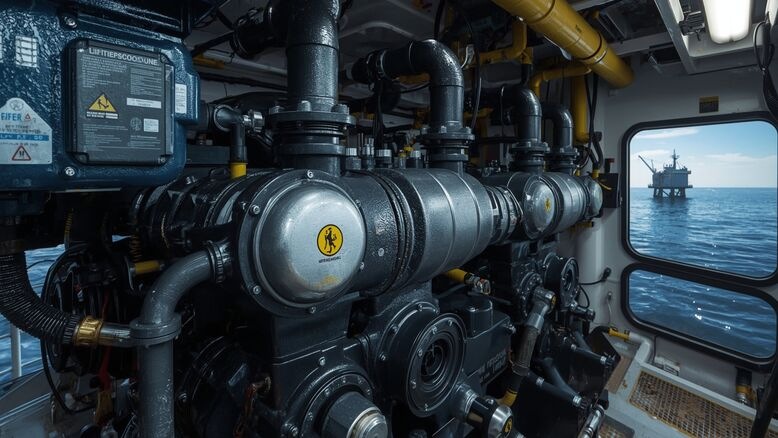
Introduction The marine industry is the backbone of global trade and transportation, with vessels navigating some of the world’s most challenging environments. From ocean liners and cargo ships to offshore platforms and fishing boats, marine equipment is constantly exposed to harsh conditions—saltwater, humidity, fluctuating temperatures, and contaminants. In this demanding setting, advanced filtration systems are not just beneficial—they are essential for operational reliability, safety, and efficiency. Why Filtration Matters at Sea Marine engines and onboard machinery work under extreme loads and are susceptible to contamination from airborne particles, salt, oil, fuel, and water. Even minor impurities can cause corrosion, wear, and system failures, leading to costly downtime and repairs. Filtration systems act as the first line of defense, ensuring clean air intake, purified fuel, and uncontaminated hydraulic fluids.
Key Benefits of Advanced Marine Filtration: Extended Equipment Life: High-performance filters remove harmful particles, reducing engine wear and prolonging machinery lifespan. Operational Efficiency: Clean fluids and air mean engines and systems run more smoothly, improving fuel efficiency and lowering emissions. Reduced Maintenance Costs: Effective filtration minimizes the risk of breakdowns, saving time and money on repairs and spare parts. Safety and Compliance: Reliable filtration helps vessels meet international safety and environmental standards, protecting both crew and the marine ecosystem. Bristol Filters®: Innovation for the Marine Industry Bristol Filters® stands at the forefront of marine filtration technology, offering a comprehensive range of air, oil, fuel, and hydraulic filters engineered for maritime applications.
Our products are trusted by shipowners and operators across the UAE, Middle East, Africa, and Europe for their durability, efficiency, and performance. Our Marine Filtration Solutions Include: Air Filters: Protect engines and HVAC systems from salt spray, dust, and airborne contaminants. Oil Filters: Remove impurities from lubricating oil, ensuring smooth engine operation and reducing internal wear. Fuel Filters: Prevent water and particulates from entering the fuel system, safeguarding injectors and combustion chambers. Hydraulic Filters: Keep hydraulic systems clean, preventing malfunctions in steering, winches, and other critical components. Air-Oil Separators: Separate oil from compressed air systems, enhancing efficiency and reducing oil consumption. Real-World Impact: Case Studies Cargo Vessels: A major shipping company in the Gulf reported a 30% reduction in engine maintenance costs after switching to Bristol Filters® air and oil filtration systems. Offshore Platforms: Operators in the North Sea rely on our hydraulic filters to maintain uptime and safety in harsh, remote environments.
Fishing Fleets: Coastal fleets in Africa have improved fuel economy and reduced breakdowns thanks to our advanced fuel filtration solutions. Commitment to Sustainability The marine industry faces increasing pressure to reduce its environmental footprint. Bristol Filters® is committed to supporting greener operations by developing filters that optimize fuel consumption, lower emissions, and extend service intervals—helping clients meet regulatory requirements and sustainability goals.
Conclusion In the world of marine engineering, filtration is more than a maintenance task—it’s a strategic investment in reliability, efficiency, and environmental stewardship. With Bristol Filters® as your partner, you can navigate the world’s oceans with confidence, knowing your vessels are protected by the best in filtration technology.